Dog Years Aren’t Seven: How Dog Age Really Maps to Human Years

Multiplying a dog’s age by seven gets the shape of the answer wrong before it gets the number wrong. A one-year-old Labrador can father a litter, and a seven-year-old Chihuahua is middle-aged rather than elderly. The rule survives because it is easy to remember, not because it matches anything a vet sees in a clinic.
The arithmetic probably came from dividing an assumed human lifespan by an assumed dog lifespan. That produces a tidy seven and hides every difference that matters. A Great Dane and a Jack Russell are the same species and age at completely different rates, which is why any single multiplier fails as soon as you look closely.
Where the seven-times rule came from
Nobody has found one source for it. The usual account is that someone divided an average human lifespan of about 70 years by an average dog lifespan of about 10 and published the result as a rule of thumb. For a rough guess made before anyone measured much, it was not unreasonable. It simply assumed a straight line.
A straight line is the wrong model for a mammal that is born helpless, walks within weeks, and reaches sexual maturity inside a year. The first two years carry most of the change. After that the curve flattens, and it flattens at a different rate for a Chihuahua than for a Great Dane.
The appeal of the old rule is easy to understand. A single number is simple to carry around, and it gives an owner a way to say “he is getting old” without a veterinary degree. The cost is that it hides the two facts that actually change care: how large the dog is, and how far into her expected lifespan she has travelled.
The real curve: fast start, slower climb
Veterinary conventions usually put a dog’s first year at roughly 15 human years, and the second year as adding about 9 more, so a two-year-old dog lands near 24. From there each calendar year adds somewhere between four and eight human years, with small dogs at the low end and giant breeds at the high end. These are conventions for communication rather than measurements, and different calculators will hand you slightly different numbers.
One much-cited 2020 study of DNA methylation proposed a logarithmic curve instead of a straight line. That fits what vets describe: rapid change early, then a slowing rate. The formula in the paper should not be applied to an individual dog, because it was built from a limited set of animals, mostly of one breed. The shape is the useful part, not the decimal places.
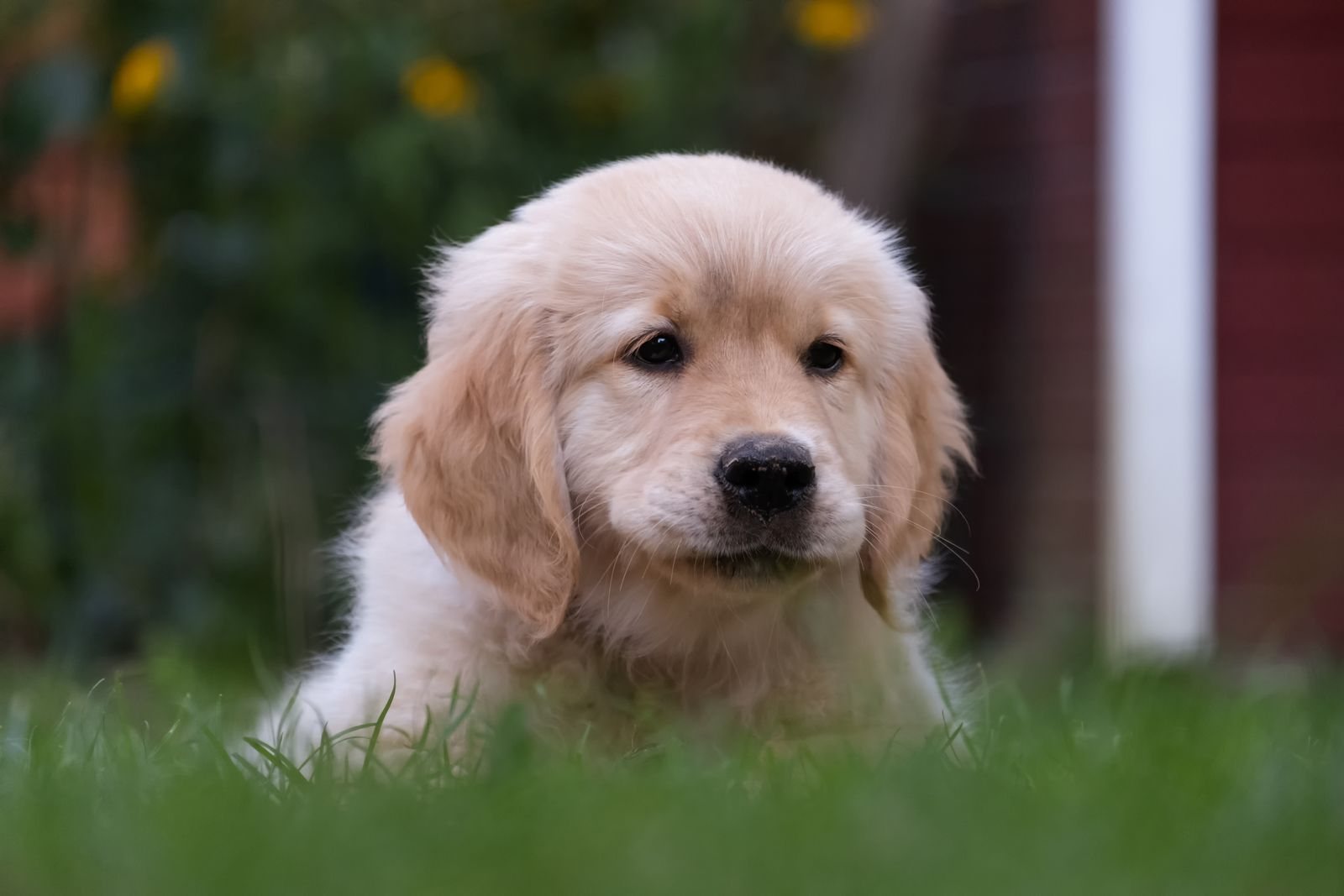
Puppyhood is where the conversion misleads most. At six months a dog is not three and a half in human terms. The animal is a teenager in a body that has almost finished growing, with the impulse control of something much younger. That mismatch explains a good deal of the behaviour owners find difficult between six and eighteen months.
Size changes the arithmetic
Body size is the strongest single modifier. Small dogs often live into their mid-teens, while giant breeds are treated as senior at six or seven and many never reach ten. That difference stretches or compresses the human-equivalent years at every point after maturity.
| Size | Age 2 | Age 6 | Age 10 |
|---|---|---|---|
| Small, under 10 kg | about 24 | 40 to 44 | 56 to 62 |
| Medium, 10 to 25 kg | about 24 | 42 to 46 | 60 to 68 |
| Large, 25 to 40 kg | 22 to 24 | 45 to 50 | 66 to 78 |
| Giant, over 40 kg | 20 to 22 | 49 to 56 | 80 to 95 |
Read the table as a range rather than a conversion. The figures are rounded outputs from the kind of size-based calculator described above, not measurements of any individual animal. A lean, well-cared-for dog often sits below the midpoint. A dog carrying extra weight, with untreated dental disease, or from a breed with a short lifespan tends to sit above it. Breed matters inside a size band too: a French Bulldog and a Border Collie can weigh the same and age on different schedules.
The size effect also shows up within a single breed. Show lines and working lines of the same breed can differ in height, mass, and lifespan by enough to move a dog a stage earlier or later. That is another reason a calculator’s single number is a starting point, and the vet’s hands on the dog are the better instrument.
Practical: what to do with the number
The human-equivalent figure is useful for one thing, which is deciding when to ask for more. Vets schedule care by life stage rather than by a converted number, and the stages are broad enough to cover most of the variation. Run the dog age calculator once, then spend your attention on the dog in front of you.
- Under a year: vaccination series, parasite control, socialisation, and a conversation about neutering timing that depends on breed and size.
- One to three: adult checkups, dental care started early, and a body condition score written into the record at every visit.
- Around four for giant breeds and seven for small ones: baseline bloodwork, so later changes have something to be compared against.
- Last quarter of expected lifespan: visits every six months, mobility checks, and pain scoring, which owners routinely underestimate.
If a calculator tells you your six-year-old Great Dane is “42”, the number to act on is the six. Ask what screening is due at that age for that breed, and whether the practice wants bloodwork before the next dental appointment.
What actually predicts a dog’s health
Body condition is the factor owners control most directly. A dog kept lean through middle age tends to stay mobile longer, and the difference shows up in the joints first. Dental disease is close behind: by three years old most dogs have some, and it causes pain in a way dogs hide well.
Breed-specific screening matters more than any conversion table. Large and giant breeds have their own joint and heart risks, flat-faced breeds struggle with breathing and heat, and some breeds carry genetic conditions a vet can test for before symptoms appear. A photo can hint at age through a grey muzzle or cloudy eyes, which is the kind of cue the dog age from photo tool works with, but it cannot see a heart murmur or a cracked tooth.
Daily life counts for more than the label. Consistent exercise that suits the breed, a measured diet, tooth brushing that actually happens, and a vet who knows the dog’s history will do more for the last years than any number derived from the calendar.
FAQ
Is the seven-times rule ever right?
By coincidence it can land close for a medium-sized dog in middle age. It fails at both ends, which is where owners most often want an answer. A one-year-old dog is not seven, and a very old dog is usually older than the multiplication suggests.
Why do small dogs live longer?
Smaller bodies tend to mature quickly and decline later, and the pattern holds across breeds and within them. The relationship is strong enough that size is the first thing a vet considers when estimating life stage. It is a tendency, not a promise for any individual dog.
Can I tell my dog’s age from a photo?
Only roughly. Grey around the muzzle, clarity of the eyes, muscle tone, and coat condition all shift with age, but lighting, breed, and grooming change the same cues. Treat a photo estimate as a range with several years of uncertainty, and use it to start a conversation rather than to plan care.
Does neutering change the calculation?
Not the arithmetic, but it changes the care plan. Timing depends on breed, sex, and size, and the trade-offs are genuinely debated in veterinary practice. That is a conversation with your vet, not something a conversion table can settle.
Last updated: October 26, 2026. This article is for general information only and is not medical, veterinary or legal advice. For decisions about your own health, your pet, or a legal matter, consult a qualified professional.
Sources
- American Animal Hospital Association, Life stage care for dogs: aaha.org