Age on Official Forms: Why Two Records Disagree

Two offices can hold the same birth date and still report different ages, because they are not answering the same question. One counts completed years up to today. Another reports the age you were on the day the record was written. A third rounds to the nearest birthday because an underwriter asked it to. The birth date never moved; only the rule did.
Take a birth date of 12 June 1988 and a reference date of 5 March 2026. Age last birthday is 37, because the June birthday has not arrived yet. Age nearest birthday is 38, because June is closer than last June. Age on 1 September 2026 is 38. Three numbers, one person, all defensible.
Age last birthday is the default
Most forms want completed years: the number you reached on your most recent birthday, counted forward from the birth date. Statisticians call it age last birthday, and it is what a census usually collects. You hold a given age for 365 or 366 days and then move up, so a form that records only years throws away up to twelve months of detail.
That loss matters at the edges. A clinic counting 40-year-olds may be looking at someone who turned 40 yesterday and someone who turns 41 tomorrow, a spread of almost two years inside a single label. For a whole population the label is fine. For one person it is a rounding error with consequences.
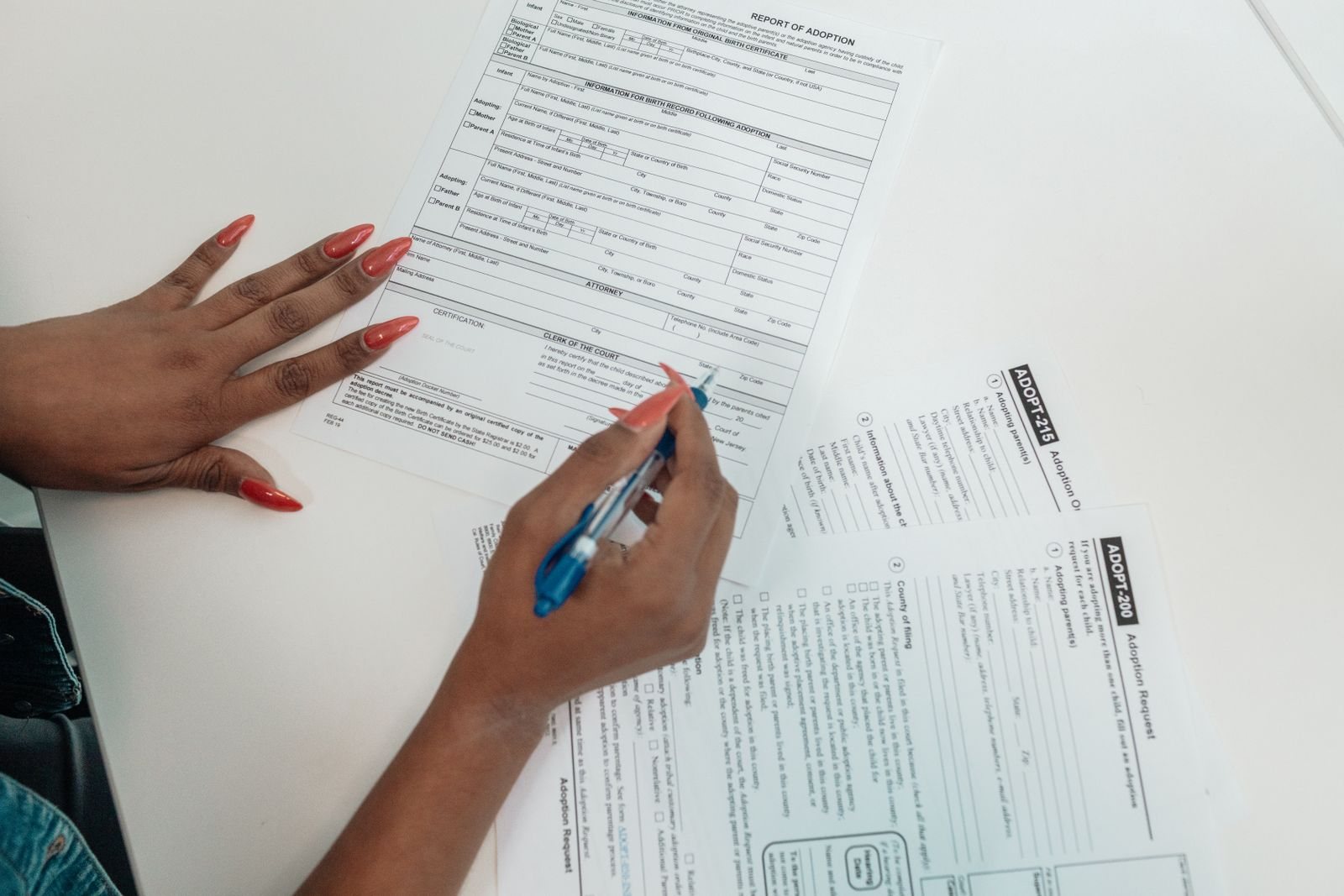
Paper forms had a reason to ask for years only: a box holds two digits, and a clerk can compare 37 with 18 without doing arithmetic. Those forms became databases, and the databases kept the habit. A record that stores a full birth date can compute the rest, which is why a mismatch usually points to an old form rather than a new mistake.
Age at the event: the snapshot problem
Records made at a moment keep the age of that moment. A hospital admission note written when you were 34 still says 34 in 2026, and a census return gives your age on census night rather than on the day you read it. This is not a mistake; it is what the record is for. Trouble starts when someone compares a snapshot with a live calculation and assumes one of them must be wrong.
Death records make the point plainly. A death certificate states an age at death, worked out from the birth date and the date of death, and national mortality statistics are compiled from those statements. The CDC’s mortality pages describe the system that gathers them, and the age on any individual certificate is fixed when it is signed.
Insurance, sport and school each round differently
Insurance is where the rounding turns into money. Some policies price on age last birthday, others on age nearest birthday, which moves you up a year as much as six months before your birthday. The same person can be 37 on one quote and 38 on the next, and the premium difference is real. Ask the insurer which basis it uses before comparing two quotes.
Sport and school work from cut-off dates instead. A junior league may define a group as under 16 on 1 January, which gives a player born in December almost a full extra year of development inside the same group. School admission uses a date the same way. For children born early, many paediatricians suggest using adjusted age for developmental questions until about two years old, which is a third kind of age again: corrected for the due date rather than the birth date.
For a birth date of 12 June 1988, measured on 5 March 2026, the three common bases give three answers:
| Basis | Rule | Result |
|---|---|---|
| Age last birthday | Completed years since birth | 37 |
| Age nearest birthday | Nearest of last and next birthday | 38 |
| Age at an event on 1 September 2026 | Completed years on that date | 38 |
When the form gives you one box for age
Read the label twice. “Age” on its own usually means completed years today. “Age at” followed by a date means the number on that date. “Age next birthday” means completed years plus one. With the wording settled, the rest is mechanical:
- Write the birth date in one format everywhere, so a day-month swap cannot creep in.
- Give completed years, not the age you will be at the end of the year.
- If the form names a date, calculate to that date rather than to today.
- If a box caps the entry, follow the instruction instead of the arithmetic.
- Keep the source document to hand in case the number is queried later.
Age is also doing legal work on some forms. In the United States, the FTC’s children’s privacy rules attach to services directed at children under 13, which is why a date of birth field on a sign-up page is not small talk. Giving a false year to get past a gate can create a record that contradicts your passport, your insurer and your tax file at the same time.
Some forms bin the answer as well. Insurance questionnaires and census returns often group everyone above a threshold into a single category, so a person of 92 and a person of 74 can land in the same box. That is deliberate: the exact figure stops being useful once the sample gets thin, and grouping protects privacy as well as accuracy.
To see how a given date resolves, run it through the age calculator for completed years and the chronological age calculator for the year-month-day form.
Why the same person can be 37 and 38
When a record disagrees with your own count, ask which definition the office used and on what date it applied it. Most of the time the answer is a snapshot, a nearest-birthday rule or a year entered without a month. Correcting it is usually a letter with a copy of the birth certificate, not an argument. Two records that seem to contradict each other often turn out to be two different questions with one answer each.
FAQ
What does age last birthday mean?
It is the number of completed years since your birth date, as of the day the question is asked. If your birthday is tomorrow, your age last birthday is still the lower number today, and it stays that way until the date passes.
Should I round up my age on a form?
No. Rounding up puts your answer out of step with your ID and with every other record that computes from your birth date. Give the completed figure even when a birthday is a week away.
Why does my insurer think I am a year older?
Many policies price on age nearest birthday rather than age last birthday. If your next birthday is less than six months away, that basis adds a year. Ask the insurer which convention applies to your policy.
Why do two government records show different ages?
Usually one is a snapshot taken at an event and the other is recalculated each time it is displayed. A year-only field, a transcription slip or a date written day-first in one system and month-first in another can produce the same effect.
Last updated: October 26, 2026. This article is for general information only and is not medical, veterinary or legal advice. For decisions about your own health, your pet, or a legal matter, consult a qualified professional.